
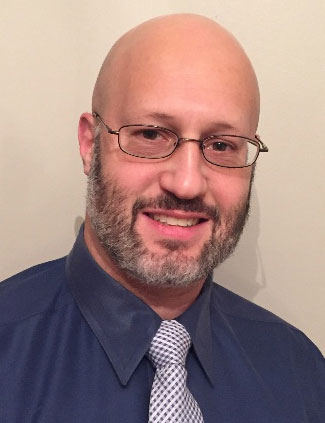
The New York State Academy of Family Physicians is pleased to spotlight longtime member and past NYSAFP President Marc Price, DO.
For more than 24 years, Dr. Price has been actively involved with both NYSAFP and the American Academy of Family Physicians (AAFP), serving in numerous leadership roles while maintaining an independent family medicine practice.
Bio
I think I’m in the later part of the middle of my career. But who knows. I started a practice over 20 years ago and we’re still a traditional, independent, office-based practice. I have a partner, an employed physician and two nurse practitioners who work for us. We’re always innovating.
Positions Held Within NYSAFP and AAFP
NYSAFP Delegate to AAFP, NYSAFP Alternate Delegate to AAFP, President NYSAFP, Treasurer NYSAFP, NYSAFP Sergeant at Arms, Chair NYSAFP Government Advocacy Committee (chair and member), NYSAFP Operations Committee (chair and member), NYSAFP Leadership Committee (advisor), AAFP New Physician Alternate Delegate and Delegate, AAFP NCSC (now NCCL) Co-Convener, AAFP Commission on Government Advocacy (member then chair), AAFP Commission on Finance and Insurance (member then chair), AAFP Commission on Quality and Practice (member), AAFP Congressional Committees (various roles), and numerous chairmanships and memberships on reference committees for both NYSAFP and AAFP.
How long have you been involved with NYSAFP and AAFP?
24 years.
What originally drew you to Family Medicine instead of another specialty?
Specific patient interactions and experiences I had while a surgical intern.
Was there a patient encounter early in training that confirmed you made the right choice?
Yes.
What part of residency challenged you the most personally?
Tests.
Did you ever consider leaving medicine or switching specialties at any point?
After deciding on Family Medicine, no.
What skills do you think make someone truly excel in family medicine beyond medical knowledge?
Personality and relatability.
How has your perspective on patient care changed since becoming an attending?
Yes.
What’s something about family medicine that medical students often misunderstand?
Knowledge is very important, but you can’t ignore the humanistic aspect of medicine.
What motivated you to become involved in organized medicine and eventually chapter leadership?
A sense of connection and inclusion.
What has been the most rewarding part of serving as chapter leadership?
Relationships.
What issue affecting family physicians keeps you up at night?
Payment and the survivability of independent practice.
How do you balance advocacy, administration, and actual patient care?
It’s just part of my schedule. I don’t think about how, just “do.”
Have there been moments where leadership changed your view of healthcare systems or policy?
Obviously.
What habits helped you avoid burnout—or recover from it?
Enjoying life.
What separates physicians who stay fulfilled long term from those who burn out?
Take it all with a grain of salt. Live life, not just work.
How important is continuity of care to your personal satisfaction in medicine?
Very.
Outside medicine, what helps you recharge?
Food, family, friends and travel. And bourbon sometimes too.
Has being a physician changed how you interact with family and friends?
No.
What’s one life lesson medicine taught you that applies outside healthcare?
Most things don’t require an immediate response. Think before you act.
What’s something patients have taught you about life?
Enjoy life and the company of others.
What achievement are you proudest of that isn’t on your CV?
My children’s accomplishments.
Where do you see Primary Care heading in the next 10–20 years?
Grim. If things don’t change, hospital and VC takeover of primary care. Increased use of mid-levels.
Are you optimistic about the future of family medicine?
Not sure.
How do you think AI and technology will change primary care?
Could be good or bad.
What concerns you most about the future healthcare workforce?
Sacrifice of quality and personalized care for cheaper, transactional care of convenience.
Do you think the role of the family physician is becoming more valuable or more difficult?
Yes.
What changes would most improve patient care at the primary-care level?
Improved pay to attract more new physicians to the specialty.
Can you describe a patient interaction that permanently changed your perspective?
Yes. It’s what drove me from surgery to Family Medicine.
What do you wish policymakers better understood about primary care?
Its value.
What’s one thing younger physicians should protect at all costs during training?
Independence.
What gives you hope about the next generation entering medicine?
My son and those like him applying to and attending medical school.